
Is there any better place to be than Brighton on a sunny afternoon? Sure, Cornwall might have sandy beaches, and Camber Sands has its charm, but there’s something special about Brighton Pier during summer days.
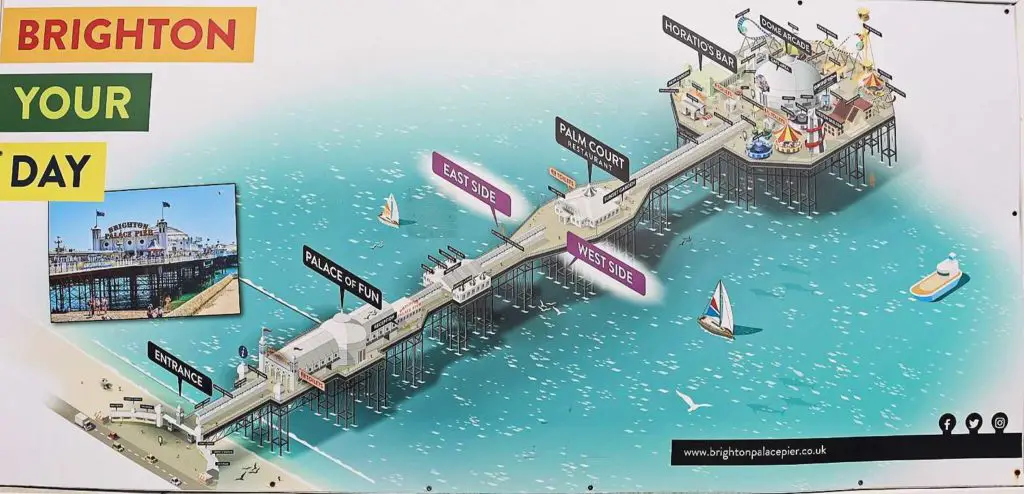
Brighton is full of activities throughout the year, and the youthful buzz of the streets makes it one of Britain’s most exciting places to be, no matter what time you decide to visit.
In the summer, however, that buzz certainly notches up to about 11! Get ready to experience your most thrilling summer day at Brighton Pier! It’s not just a pier, in many ways, it’s the heart of Brighton. The place where everyone comes to go to experience the sparkling summer vibes, enjoy the never-ending seafront, and undertake several activities that make the day impossible to forget.
But what exactly are those activities, and how can you experience all of them on a single sunny afternoon? Whether you’re a thrill-seeker, a food lover, or someone who enjoys spending a day in the sun alongside some ocean breeze, Brighton Pier has it all.
If you’re planning on spending some time in Brighton this summer and you want to visit the famous Brighton Pier, get your sunscreen on, and in just a few hours you’ll be able to:
Win Prizes In Some Single Player Or Multi-Player Games
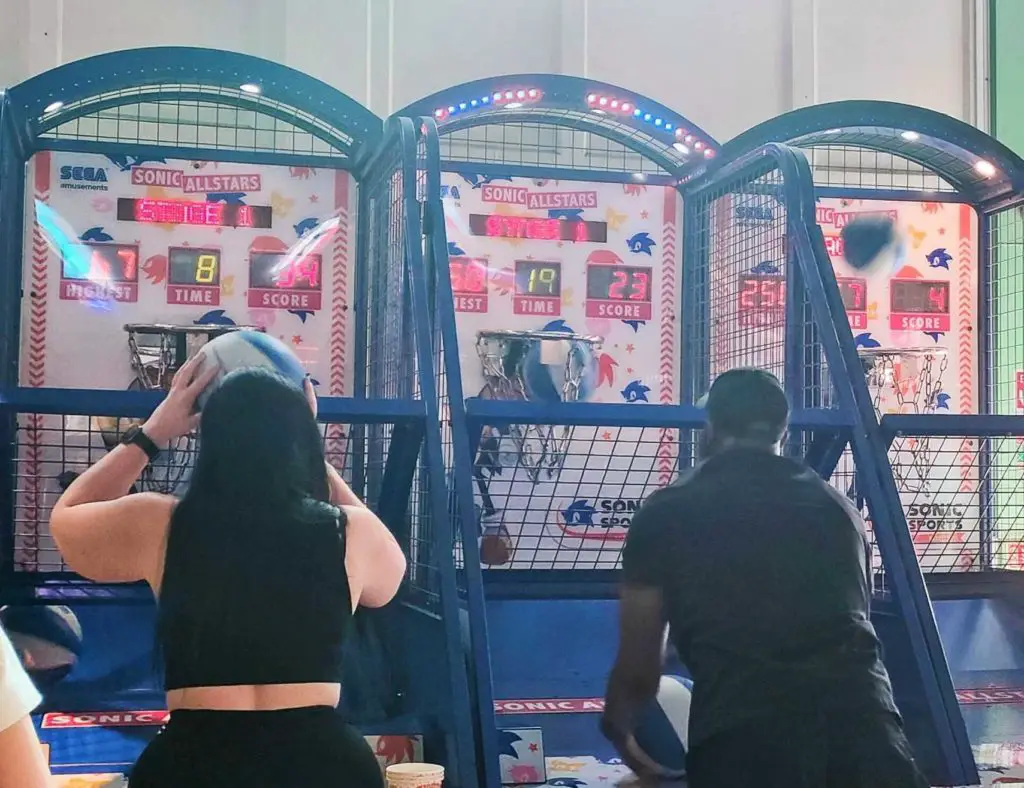
If you’re in the mood for some friendly competition, head over to the arcade games. Channel your inner gamer and get ready to compete for tickets and claim victory in an array of thrilling games. It’s time to level up your gaming skills and have the time of your life. Challenge your friends to a game of air hockey or test your aim at the shooting galleries. With each victory, your excitement will skyrocket, and your competitive spirit will soar.
Offering not one but two arcades, the pier is the perfect place for a solo day out or alongside friends. Once you enter the arcade, prepare to spend at least a few hours trying out the different games and winning tickets. The arcade located towards the end of the pier near the rides is more friendly for smaller kits, with tiny claw machines and a play area.
At the end of your visit tickets can be exchanged for gifts at the gift shop where you can find something to satisfy anyone’s taste. Choose from cuddly toys to gadgets and trinkets. Alternatively, keep collecting your tickets for even bigger prizes and return to the arcade another day to claim your ultimate jackpot.
You can also try your luck at some other games at the back of the pier near the rides where you can win prizes like teddies.
Play The Slots At The Pier Arcade
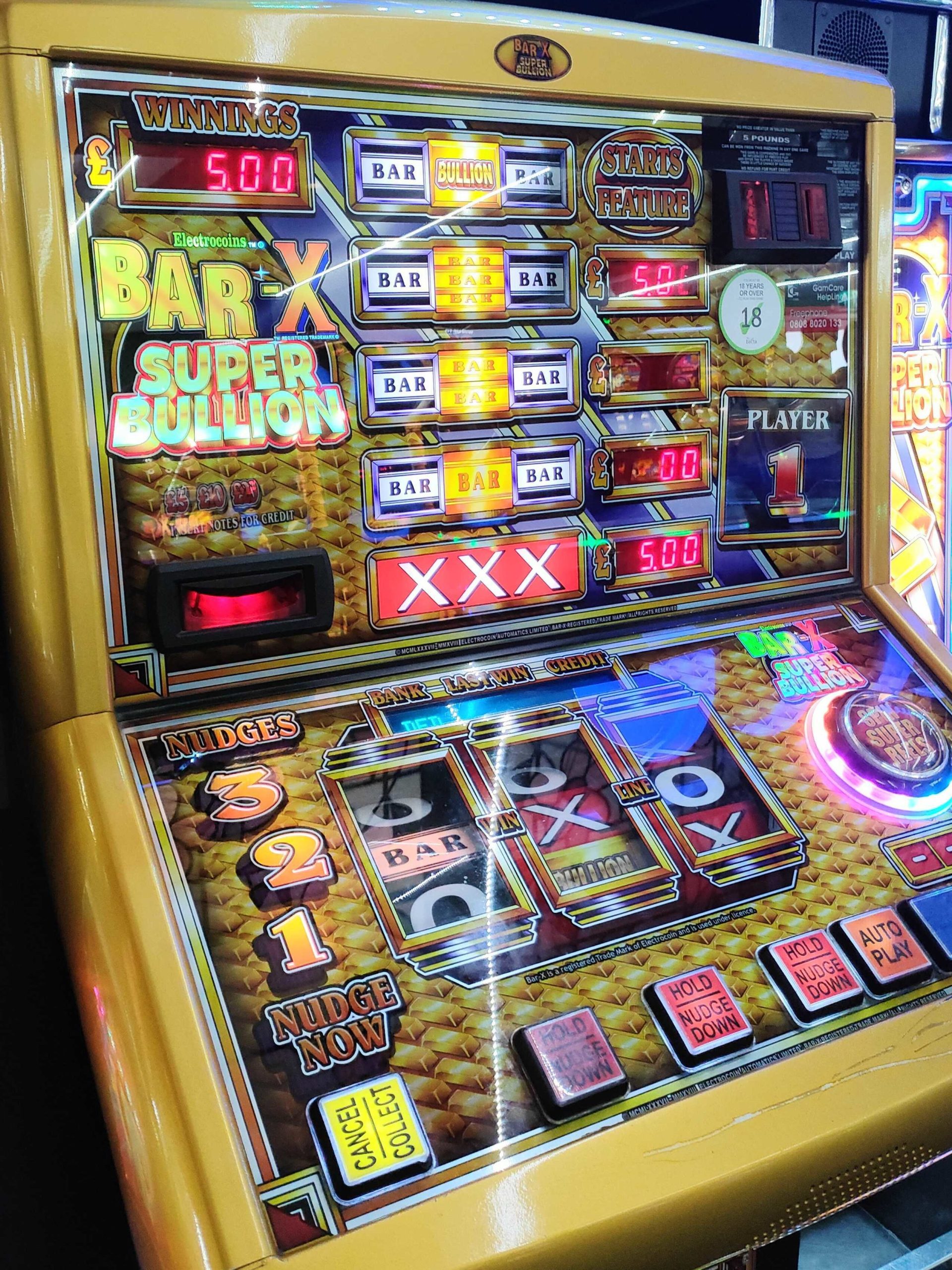
While most people are now used to the payline of online arcade games, some may enjoy the nostalgic feeling that comes with playing some slots for real. The atmosphere in Brighton Arcade is unlike any other.
While the games themselves may get the occasional reboot, the arcade has been a staple for generations of visitors. It’s a trip down memory lane – and, you never know, you might even pick up some new skills to take back to your online games!
There are a range of slots across the Arcade, with ones offering tickets that you can exchange for items or an 18+ area where you can find the real deal – prize slots that will have you on the edge of your seat trying your luck at winning the £500 jackpot. Whether you’re a seasoned pro or new to the world of slots, the Brighton Pier Arcade is the perfect place to put your luck to the test and find some shade on a hot summer day. Who knows, you might even discover hidden talents and strategies that will elevate your online gaming skills to new heights!
Win Your Partner A Teddy At A Claw Machine
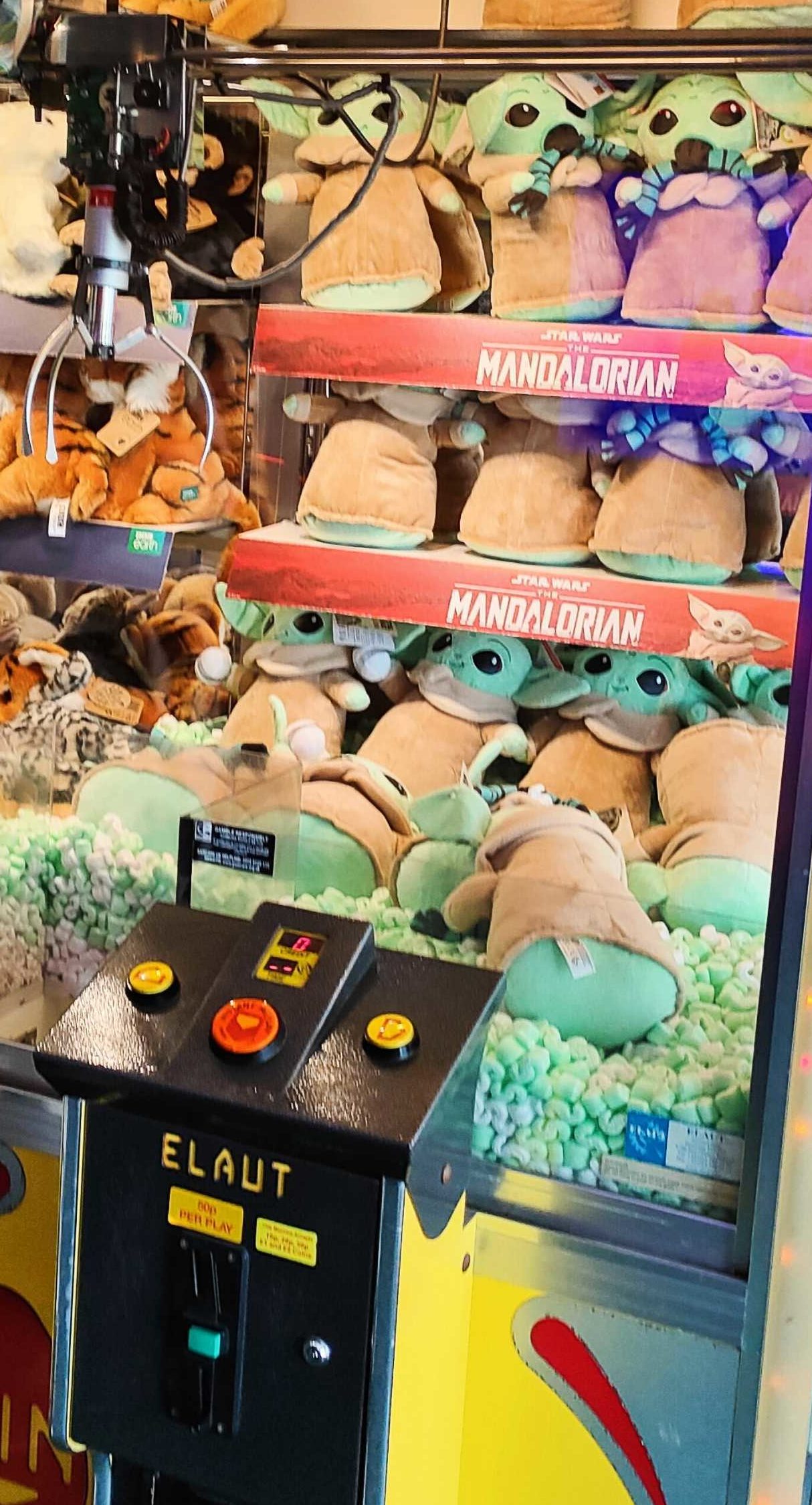
Get ready to impress your date with your incredible claw machine skills and win them the most adorable cuddly toy at the Brighton Pier arcade! It’s time to show off your determination as you embark on a mission to claim the ultimate prize.
As you enter the arcade, keep your eyes peeled for the machines that are practically begging you to take a shot. Remember, it’s practically a rule at the pier – you can’t leave without winning your partner a cuddly teddy bear! Once you have your eyes set on a cuddly prize, that’s when the real challenge comes – winning the teddy!
Take a deep breath and test your precision while trying to win. Just be warned, they aren’t exactly easy, so you’ll have to get your eye in!
Brave The Rides At The End Of The Pier

For those who need an adrenaline rush, you can make your way down the pier and try out some of the rides. Some of the best things in the Brighton Pier amusement park are a little intense. For the fearless among us, the Turbo Coaster, Booster, and Horror Hotel await.
If you’re looking for a more family-friendly experience, Brighton Pier has a range of rides suitable for younger thrill-seekers. From the DragonFly to Trampolines, Carousels to Bouncy Castles, there’s a world of fun waiting for children under 1.2m. There are a range of other rides which are suitable for older children and adults.
The Brighton Pier recently announced that they will have some new rides coming this Summer 2023. Bringing a major upgrade to your experience, the pier will be offering VR Rides on their Twister ride.
If you know you will want to go on rides in advance, you can get a 20% discount if you purchase wristbands on their website in advance.
Grab Some Food Before Entering The Pier
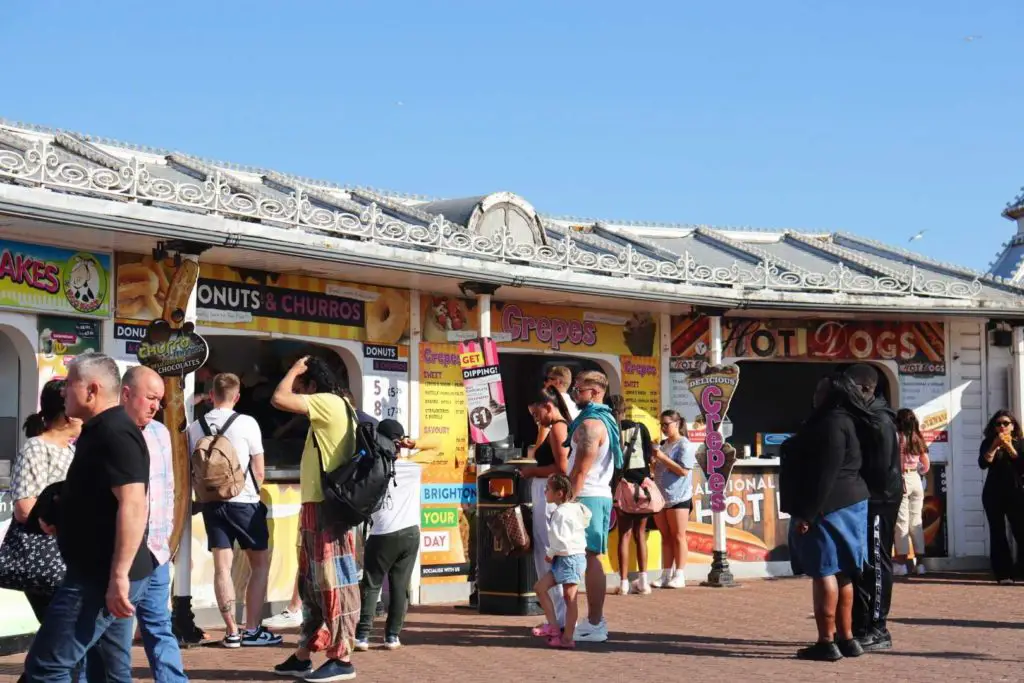
Follow the irresistible smells that fill the air, leading you to a selection of delectable treats waiting for you.
Indulge your sweet tooth and try the warm and fluffy doughnuts, perfectly sprinkled with sugar and cinnamon. Trust me, once you try them, you’ll want more! According to the Brighton Pier Instagram, vegan doughnut options are available. There are also other food options like crepes, churros, milkshakes and fresh fruit cups.
If you get hungry during your walk along the pier, there are food popups along the way offering everything you can find at the gates. And if you’re in the mood for something cool and refreshing, don’t miss out on frozen yoghurt, milkshakes, ice cream, and an array of tempting sweets.
If you’re not feeling something sweet, why not grab a hotdog, burger, or fish and chips? But be wary of seagulls who might try to fight you for your food.
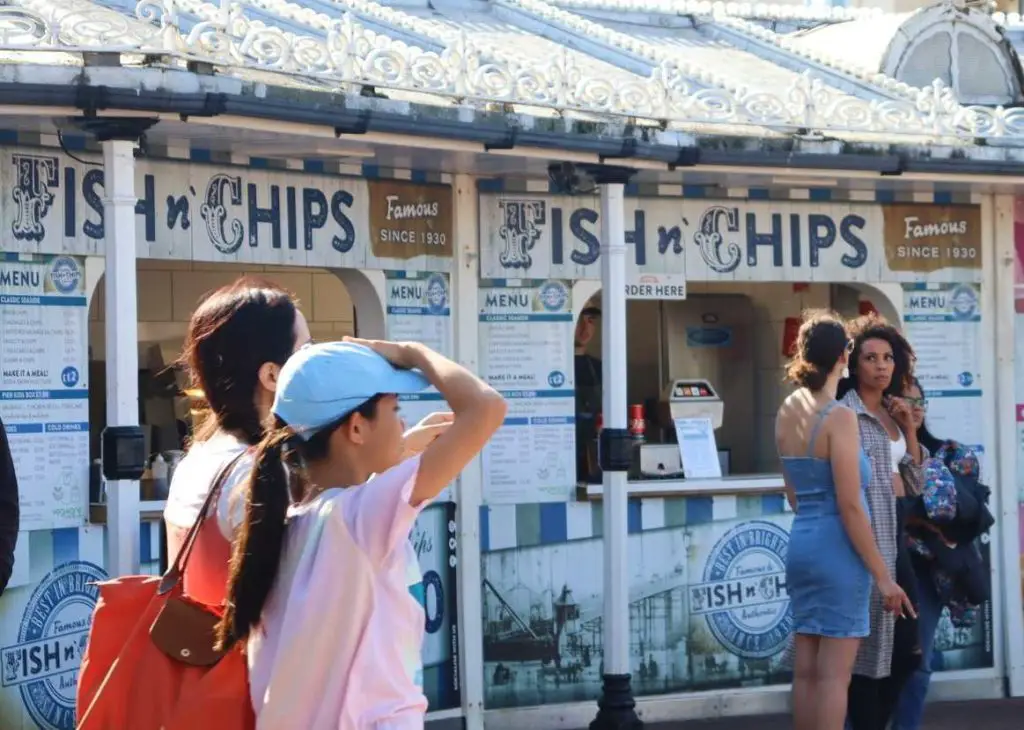
And here’s something you might not know: Fish and Chips Fridays have just been introduced as of the 2nd of June 2023! Treat yourself to two boxes of mouthwatering fish and chips for a steal at £20 from the fish and chips takeaway conveniently located by the gates of the pier.
To explore all the food options that await you at the pier, check out their website: https://www.brightonpier.co.uk/eat-and-drink
Capture Your Day Out At The Photobooth
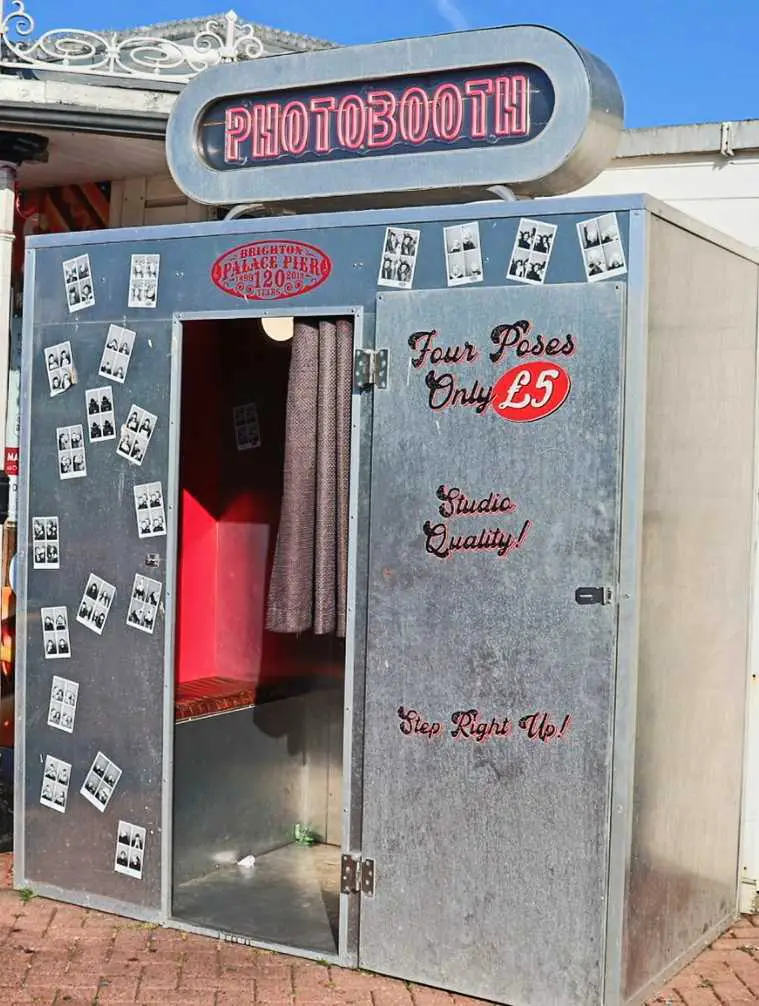
Strike a pose and get ready to capture the memories from your summer day out at the Brighton Pier. Right by the gates of the pier, you’ll find a black and white photobooth, waiting to transform your memories into keepsakes. Unleash your inner model and create picture-perfect moments to document.
Take your photo strip with you and hang it on your wall at home as a constant reminder of the incredible memories you made. Share copies with your loved ones or keep the photos to yourself taking a look whenever you need a dose of nostalgia.
For just £4, you can capture the magic of your day at the pier with this black and white photo booth. It’s a small price to pay for a lifetime of cherished memories.
Take Funny Photos at The Face Cutouts
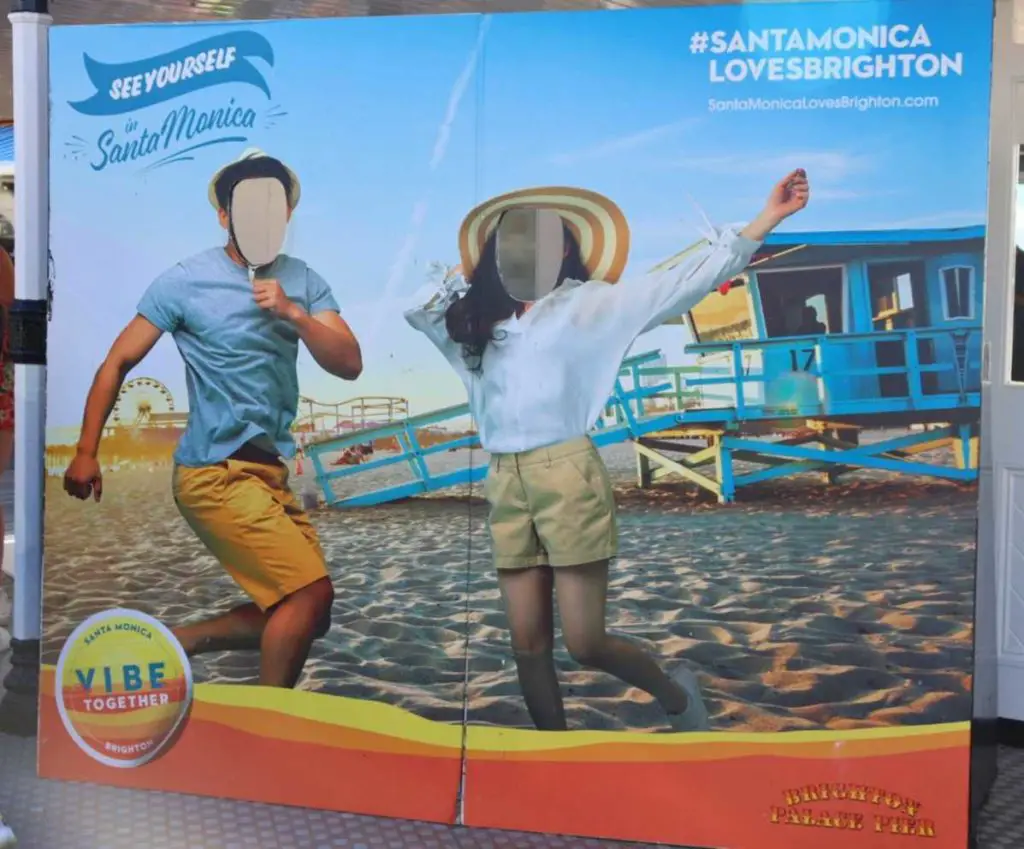
Along the Pier, you can find pop-ups with cut-out heads where you can pose for some funny photos. These make for laughter-worthy photos and are a fun activity you can engage in with a friend.
Get ready for a laugh as you strike a pose at the hilarious face cut-outs scattered along the Brighton Pier. As you wander along the pier, keep your eyes peeled. Step right up and stick your face through the holes, transforming into a whimsical character that will have everyone in stitches.
Share your funny photos with friends, and family, or even on social media to give your followers a good laugh.
Make Your Own 1P Souvenir
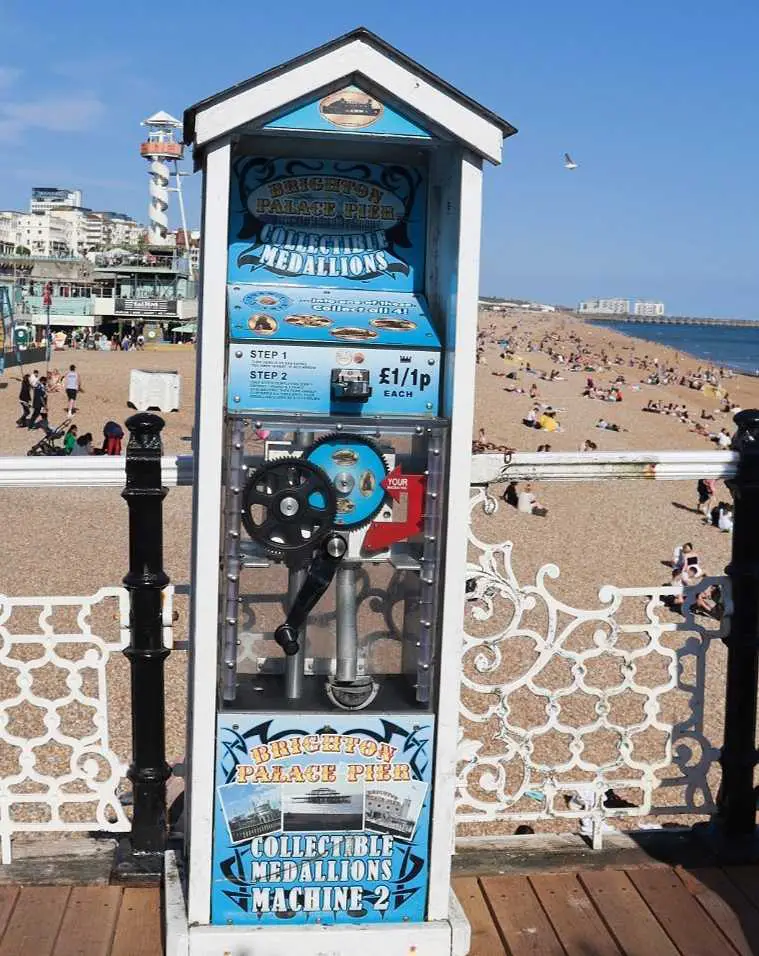
Do you want a cheap and unique souvenir of Brighton or the pier? The pier has two pressed 1p machines (from The Pennyman) which require a 1p coin and a £1 coin and feature 4 designs to choose from.
Spin the handle to make your own Brighton imprint on a 1p coin. This copper decoration is a cute collectable item that you can carry around in your purse, display in your home or give to someone you love.
Watch Some Sport At Horatio’s Bar
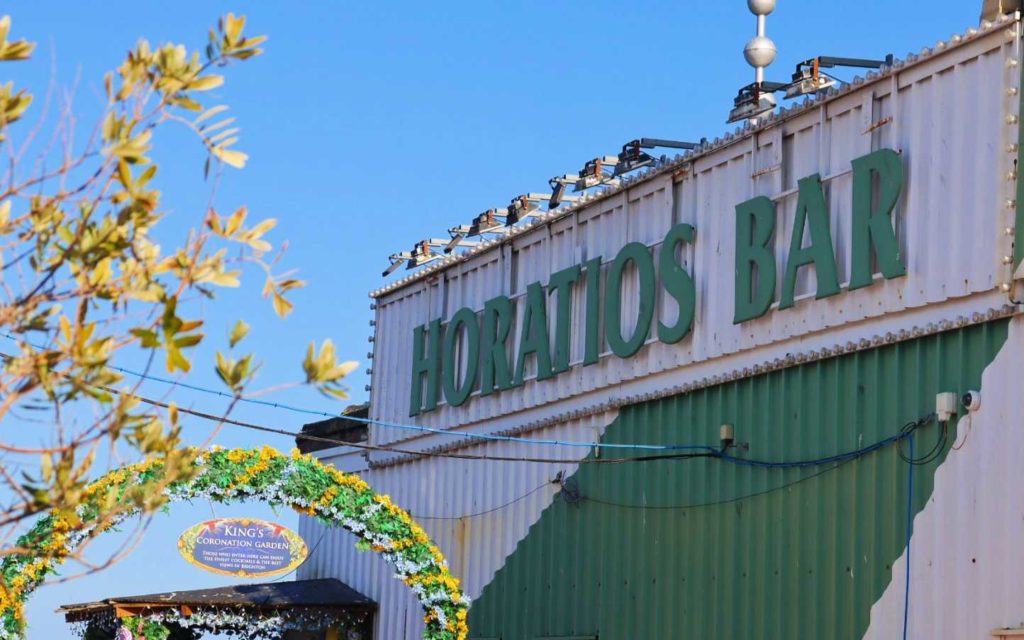
At some point during the day you’ll want to relax and soak up some summer sunrays and the perfect place for this is among the vibrant atmosphere of Horatio’s Bar at the Brighton Pier. Step into this newly refurbished bar and find yourself a spot to unwind and enjoy the sunshine and breathtaking view of the coastline as you sip on delicious cocktails and grab some hot food.
Horatio’s Bar is proud to host the only free big screen in Brighton this summer! That’s right, you can catch all the thrilling sports action and live events. Cheer for your favourite teams as you watch them score on the big screen. It’s an experience that will leave you feeling like part of a community, connected by the love of sport and the joy of celebration.
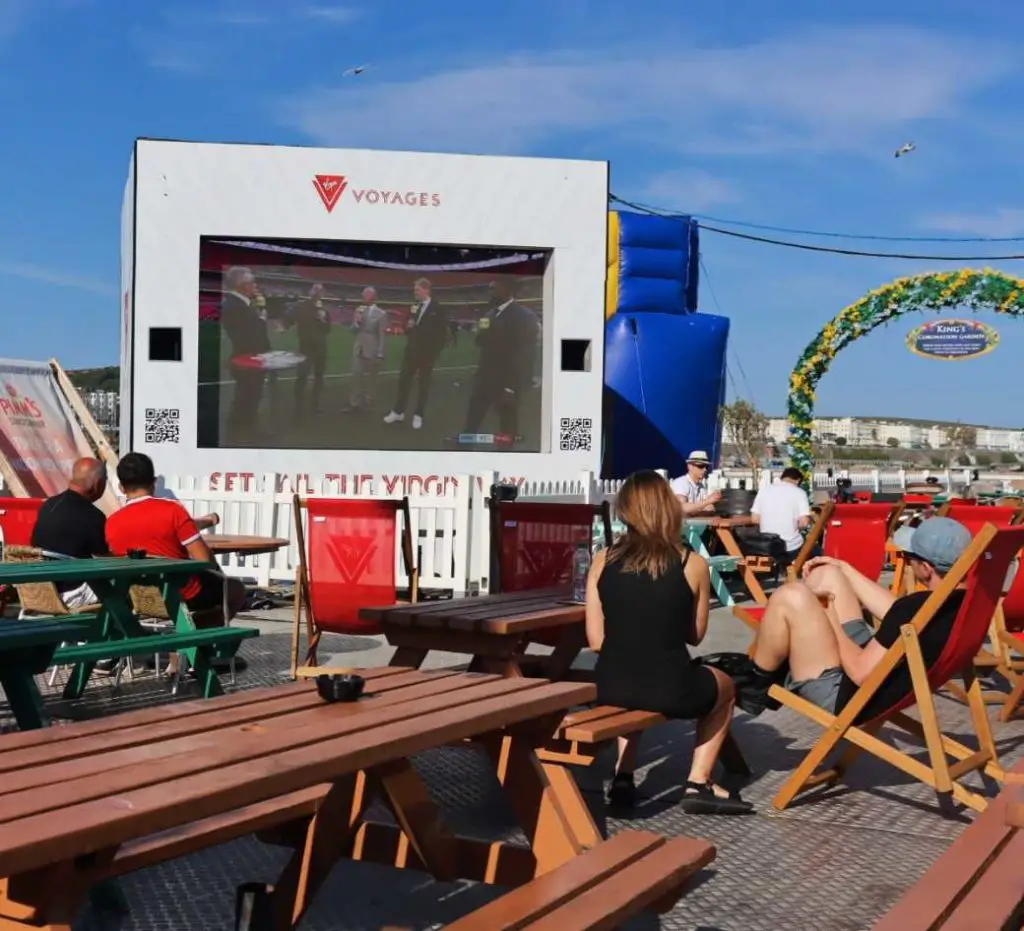
Whether you’re a die-hard sports fan or simply enjoy the exhilaration of the game, Horatio’s Bar offers the perfect spot to relax, recharge, and savour the moments that make Brighton Pier an unforgettable destination.
Sit And Enjoy The Atmosphere
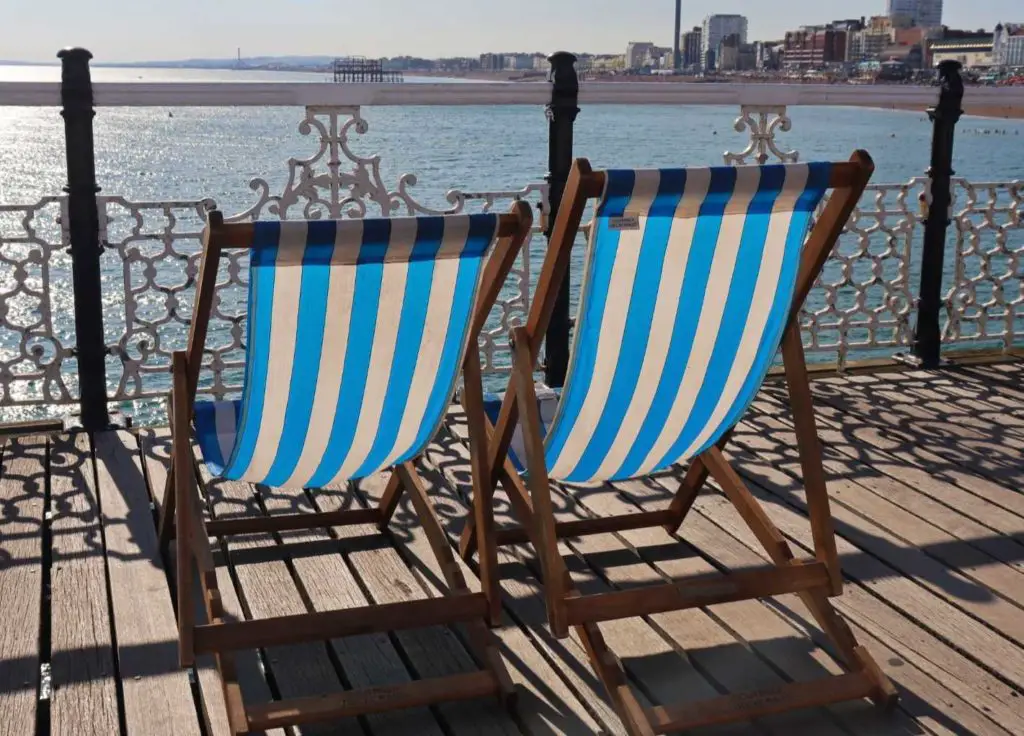
One of the best things to do at Brighton Pier is actually simply sit and enjoy the atmosphere. Across the pier, there are a number of benches and even deck chairs that you can set out and relax in.
You might be thinking: there’s no way I’m going to just sit and do nothing! But trust us, being out in the sun and the oceanic breeze for a while gets you pretty sleepy. Sometimes it’s just nice to sit down for a while and take everything in. If you do need something to do, why not grab some snacks from the pier and enjoy a sugar and cinnamon-covered doughnut with a panoramic ocean view?
Go For A Refreshing Swim
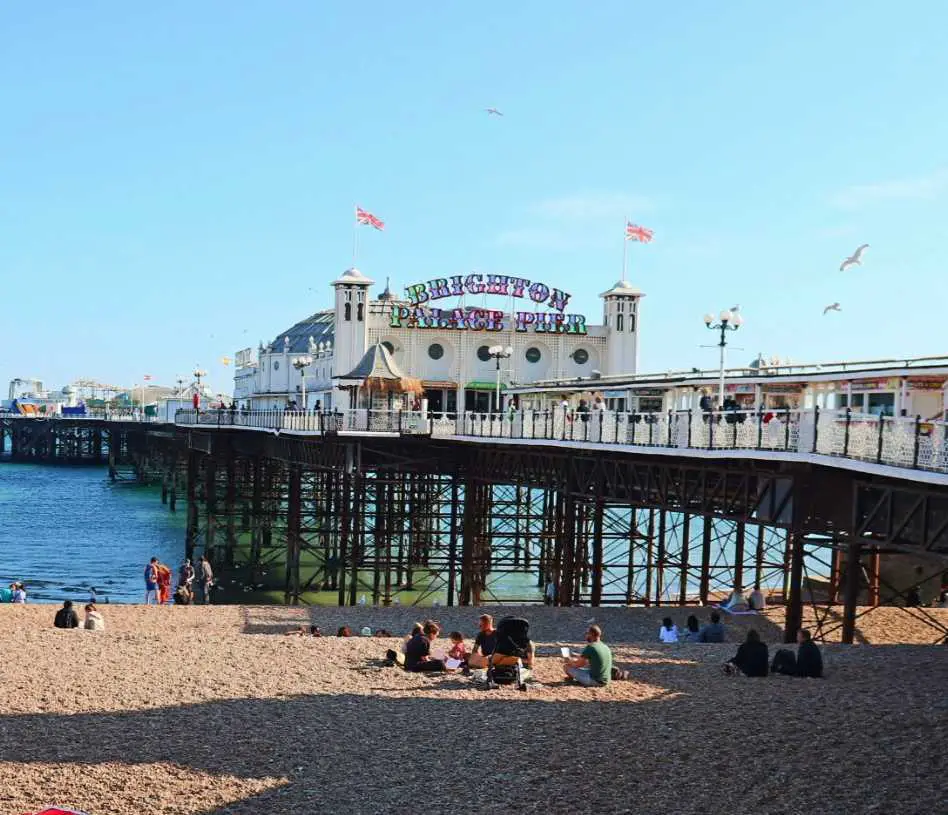
But wait! The afternoon’s not over yet! If you’ve found yourself dozing off, the best way to get yourself back into gear is to travel beside Brighton Pier and take a dip in the sea.
Yes, we know it’s going to be freezing, but you’ll find several people enjoying the waves, so you won’t be alone in your pain! And you’re sure to be incredibly refreshed once you get out of the water.
Finish Off The Afternoon At Palm Court Restaurant
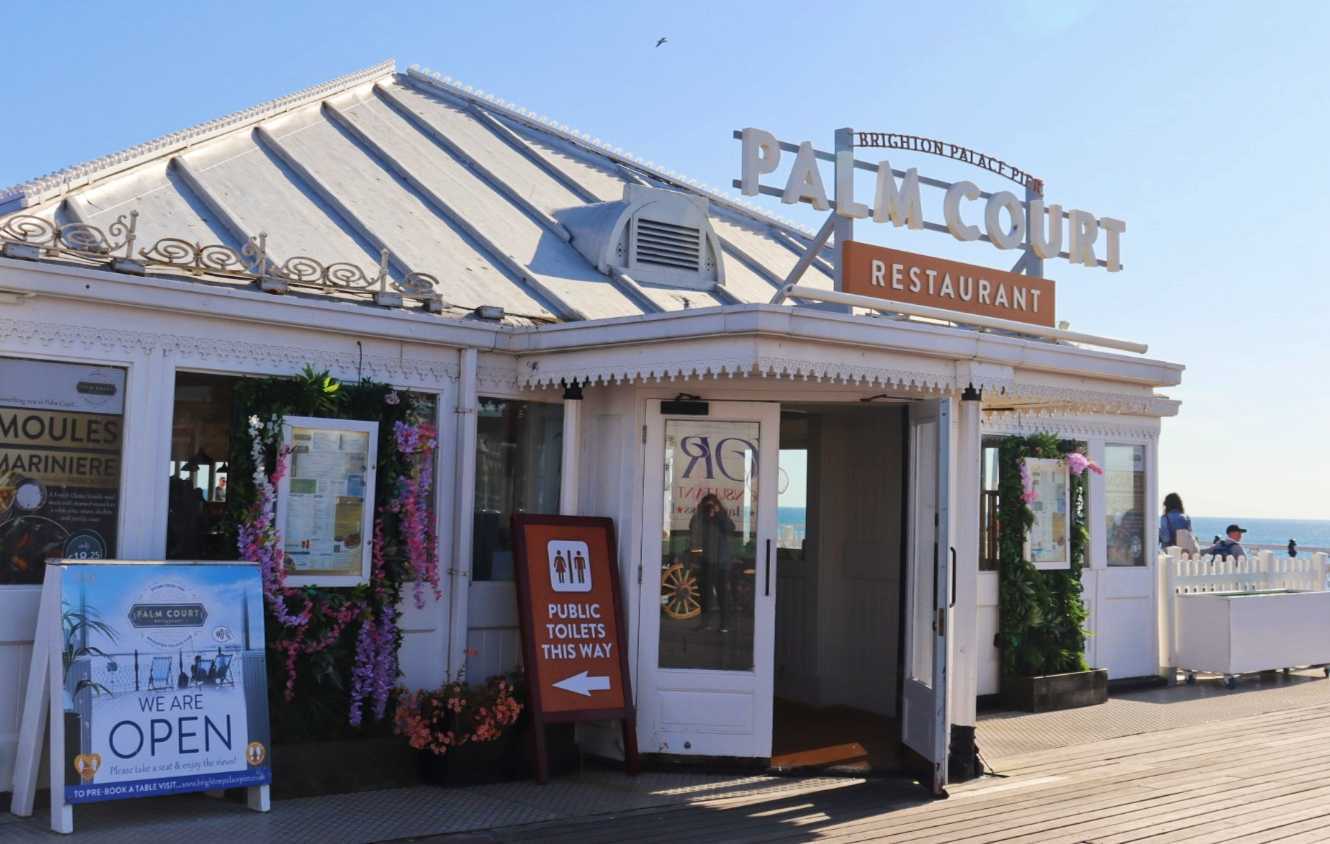
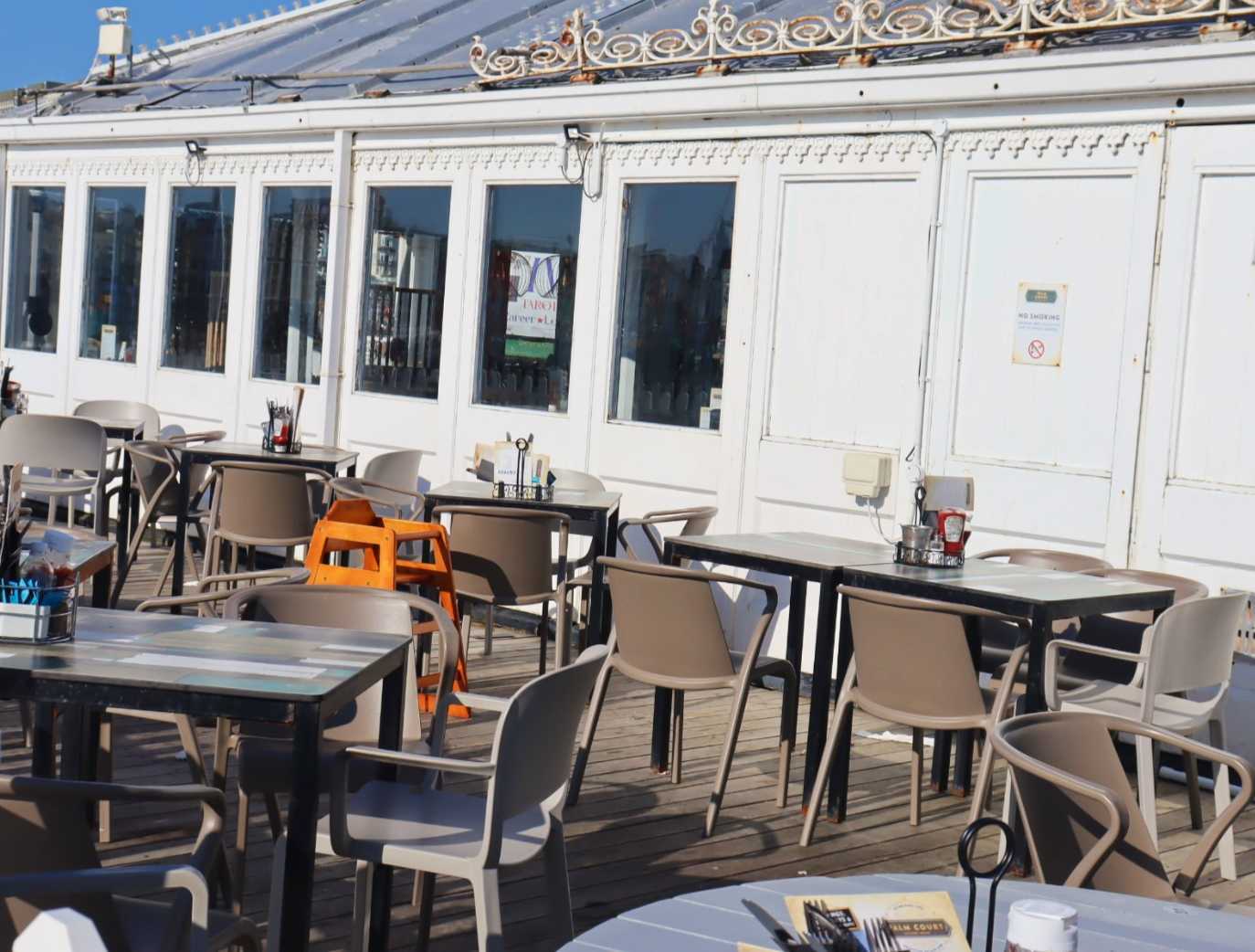
Lastly, it’s time to round off the day with a meal at Palm Court Restaurant. This is a gorgeous restaurant located right in the middle of the pier, perfect for anyone who loves seafood or who wants to try some fish and chips in the most traditional, suitable place possible.
Even if you’re just looking for things to do in Brighton, sunny days or not, then this should be one of them. Trust us, if you want a good way to close off an afternoon and perhaps even watch the sunset on the horizon, then this restaurant on Brighton Pier is undoubtedly the best place to do it.